1
Binds wet solids
Ultrabind is poured straight into the slurry, binding the wet solids and turning the material into a solid mass.



Ultrabind
Eco-friendly soil stabilizer for slopes, slurry solidification, dust control, and hydroseeding.
Patented Technology
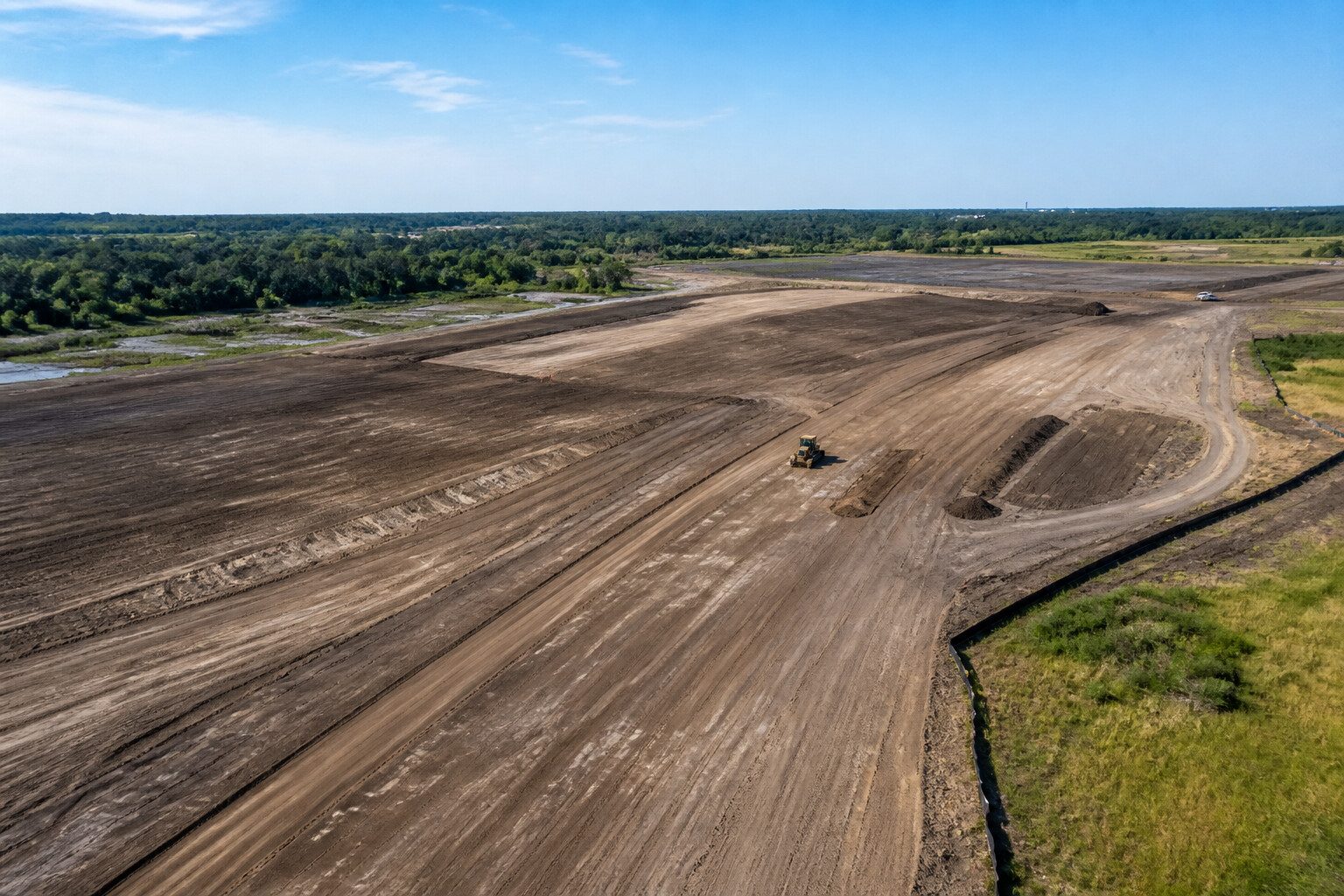
Ultrabind is an eco-friendly, multi-faceted soil stabilizer that binds soil particles together, turning slurry into a solid mass. It creates a protective crust that prevents dust, sediment, and erosion for extended periods. This non-hazardous product is ideal for stabilizing slopes, embankments, and non-traffic areas. Ultrabind penetrates the soil surface, forming a durable, three-dimensional matrix that enhances dust control, improves soil stabilization, and provides long-lasting protection. It is particularly effective in hydroseeding, increasing germination rates, reducing washouts, and improving erosion control. Ultrabind is a safe, sustainable solution for soil stabilization and road treatment, with no harmful effects on people, animals, or aquatic life.
Sunlight, heat, and moisture still reach the soil so seed can germinate. Up to 25% more moisture is retained while seed and soil stay in place and growth is enhanced. Combined with Clearflow’s treated jute fabric in swales, ditches, and crowns, rills and washouts can be virtually eliminated - with less cost and install time than traditional matting, and fewer return visits for warranty work.
Ultrabind is poured straight into the slurry, binding the wet solids and turning the material into a solid mass.

Binding drives water out of the material, so water content, weight, and volume all drop before anything leaves site.

Once the mass is solid it can be scooped and hauled in standard dump trucks instead of expensive vacuum trucks.
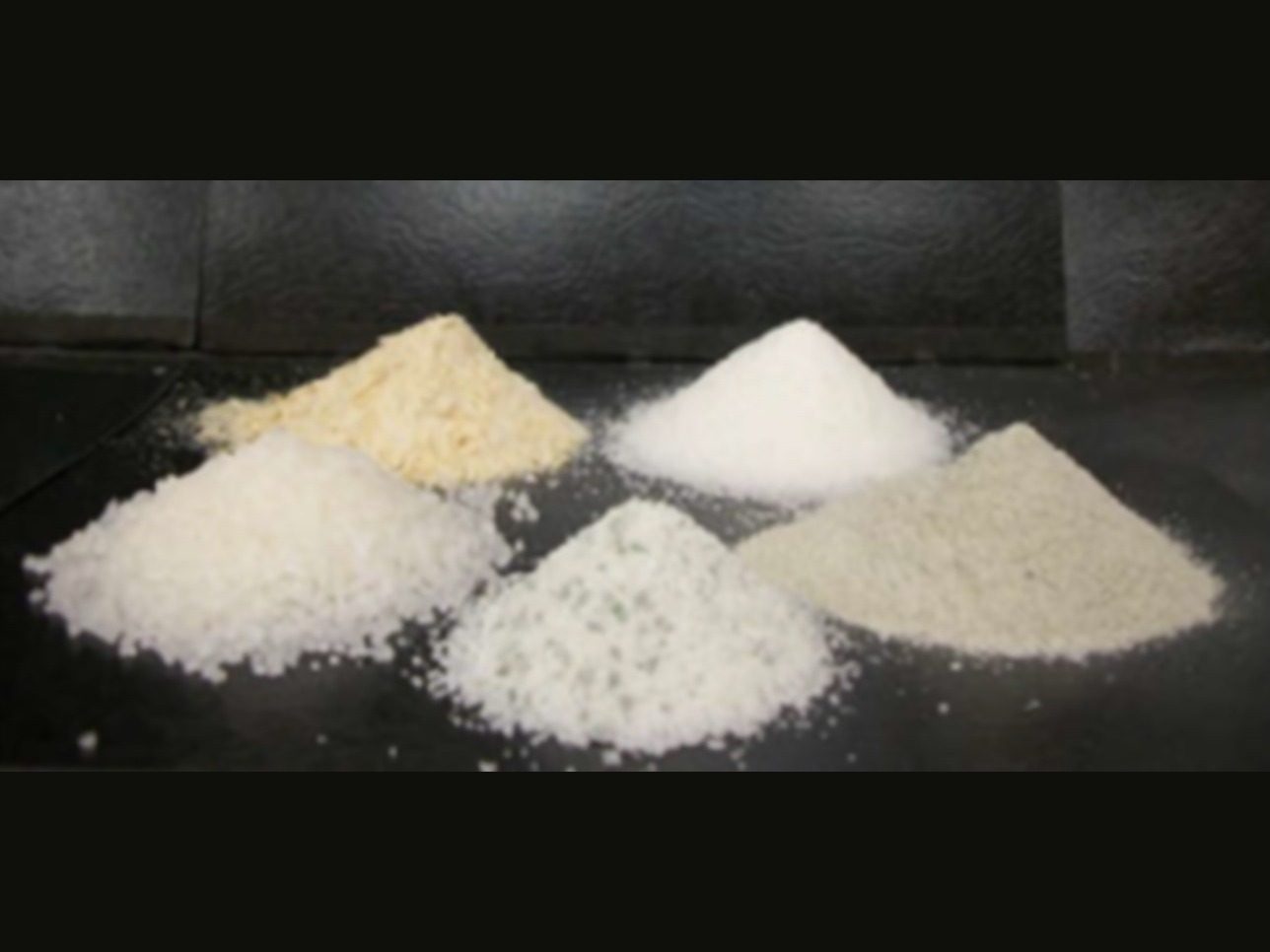
Multiple blends suit different soils and slurries. Our lab tests your sample against the blend library before you order.
Using environmentally friendly Ultrabind to hold disturbed soils in place is the least expensive and often the most efficient way to protect water from silt, heavy metals, and phosphorus pollution. One of the most important steps in an effective environmental protection plan is soil stabilization. Restoring clean water is far more expensive and complex once it has been contaminated. Controlling dust is particularly crucial since particles smaller than one micron (colloidal) are carried into water, where they become difficult to remove.
Three application lines - Soil, Slurry, and Dust - cover erosion control, solidification, and road treatment. Because soils, slurries, and dust vary, our laboratory matches your sample against our Ultrabind blend library (including blends 1-4) to ensure effective binding. Ultrabind is not a tackifier and will not hold pine needles, straw, or mulch in place.
Independent germination trials by Dr. Jerry Pepin at Pickseed, Oregon showed improved establishment of Kentucky bluegrass and perennial rye versus untreated controls.
Fish Safe Verified
Extensive third-party testing with the University of Alberta and the National Research Council of Canada has proven the safety of our products.
“During pipeline construction, topsoil is stripped back and piled into extensive, vulnerable windrows along the right-of-way. We spray Ultrabind directly onto these stockpiles which acts as a powerful tacking agent. It temporarily glues the surface together to prevent severe wind and water erosion until the soil is ready to be backfilled.
We have also used Ultrabind during our hydroseeding applications as a high porosity tackifier that stabilizes the seedbed and dramatically accelerates germination.
I would highly recommend Ultrabind for your next project.”
Models
Patented Technology
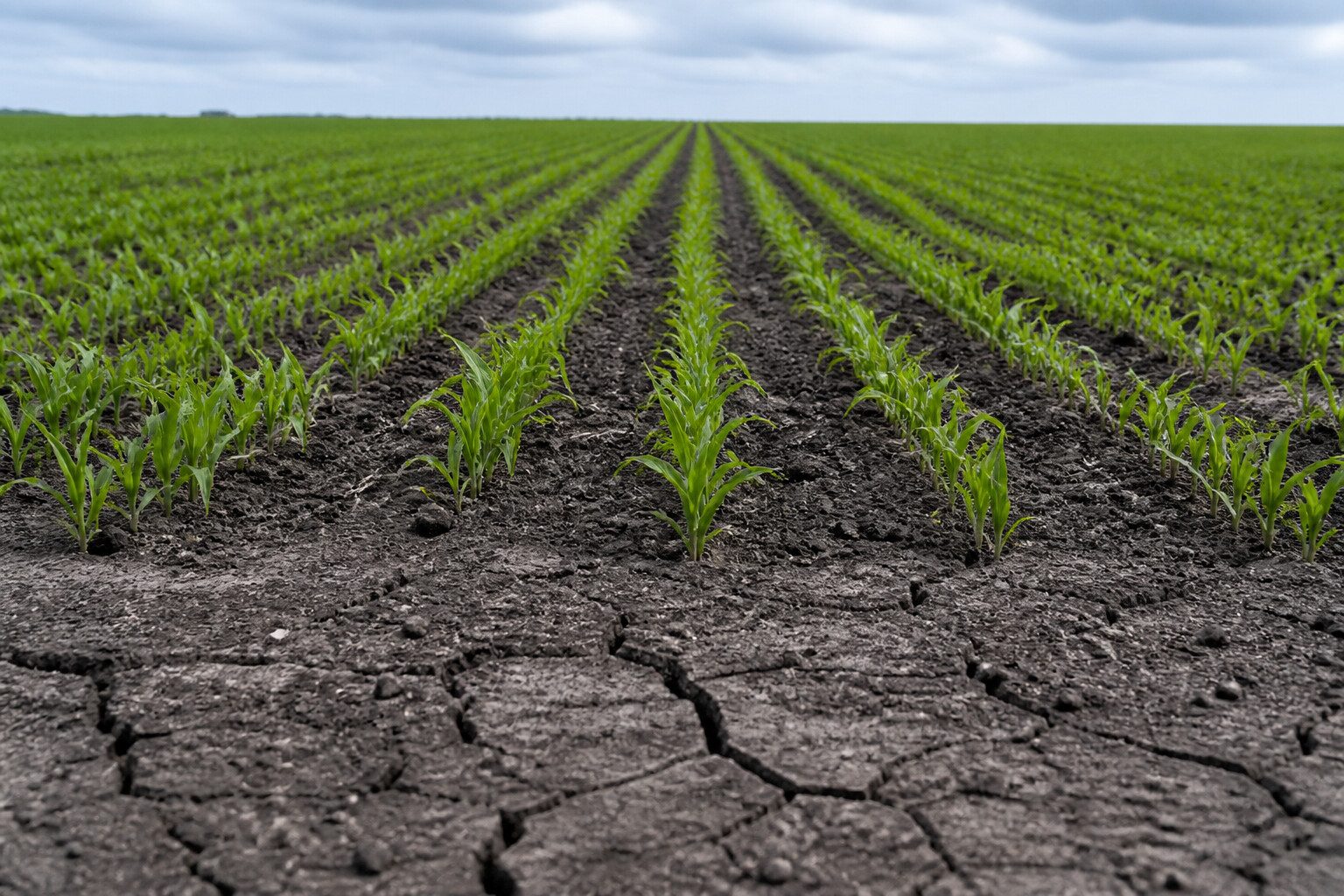
Eco-friendly soil stabilizer that bonds with soil to protect surfaces from wind and water erosion. Mix directly with seed or hydroseed so sunlight, heat, and moisture still reach the soil for germination.
Patented Technology
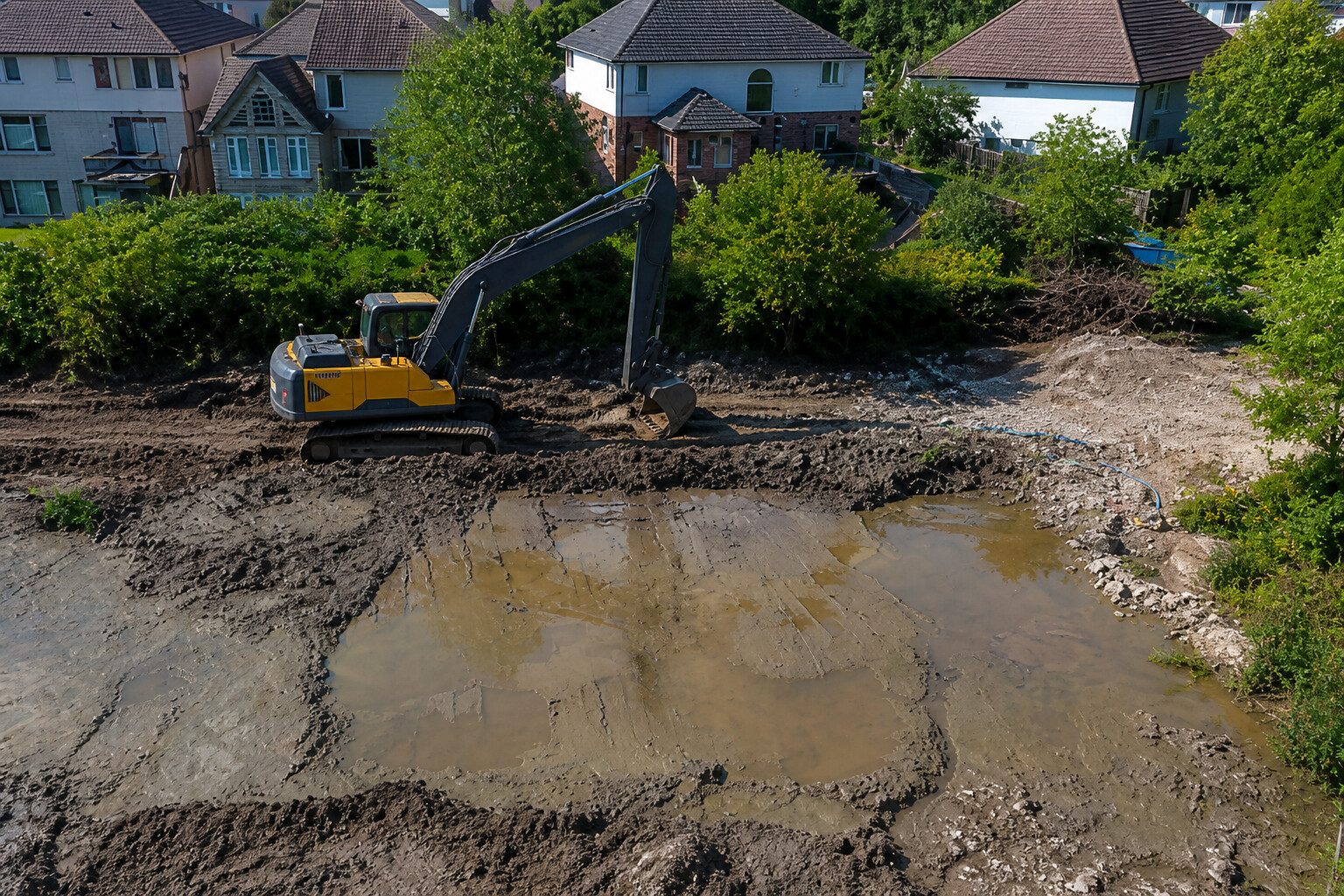
Dry granular product mixed into slurry to thicken it for transport or reuse. It binds solids and squeezes water out, so mass and volume stay far lower than with sawdust, peat, straw, or other absorbents.
Patented Technology
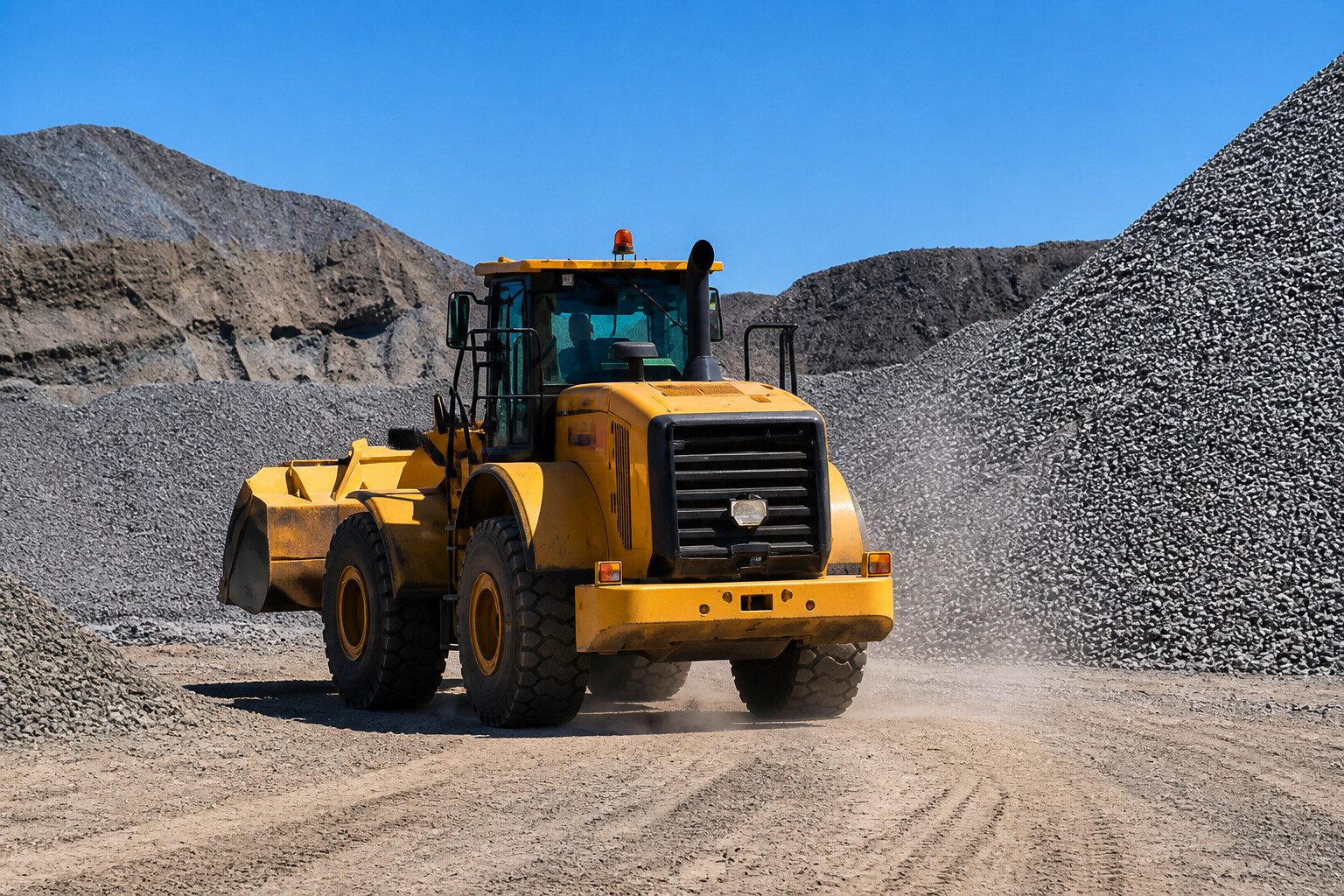
Non-corrosive dust control and road stabilizer for gravel roads, parking lots, and backfill piles. Unlike salt-based treatments, it will not corrode equipment or harm surrounding vegetation, and rain or watering can reactivate it without washout.
Slurry solidification
For pond slurry, pipeline mud, and wet solids, the question is not how much water you can soak up - it is whether chemistry binds the solids and lets the rest go.
Peat, sawdust, straw, and absorbent polymers can take up to about 400× their weight in liquid - but they do not bond to solids. Moisture stays locked inside the matrix.
Clearflow polymer uses a small amount of water to attach to particles, not to soak it up. Typical dose is under 1 kg per m³ of slurry.
Released water means lower haul and tip fees, reduced liquefaction in trucks, and better acceptance at dump sites.
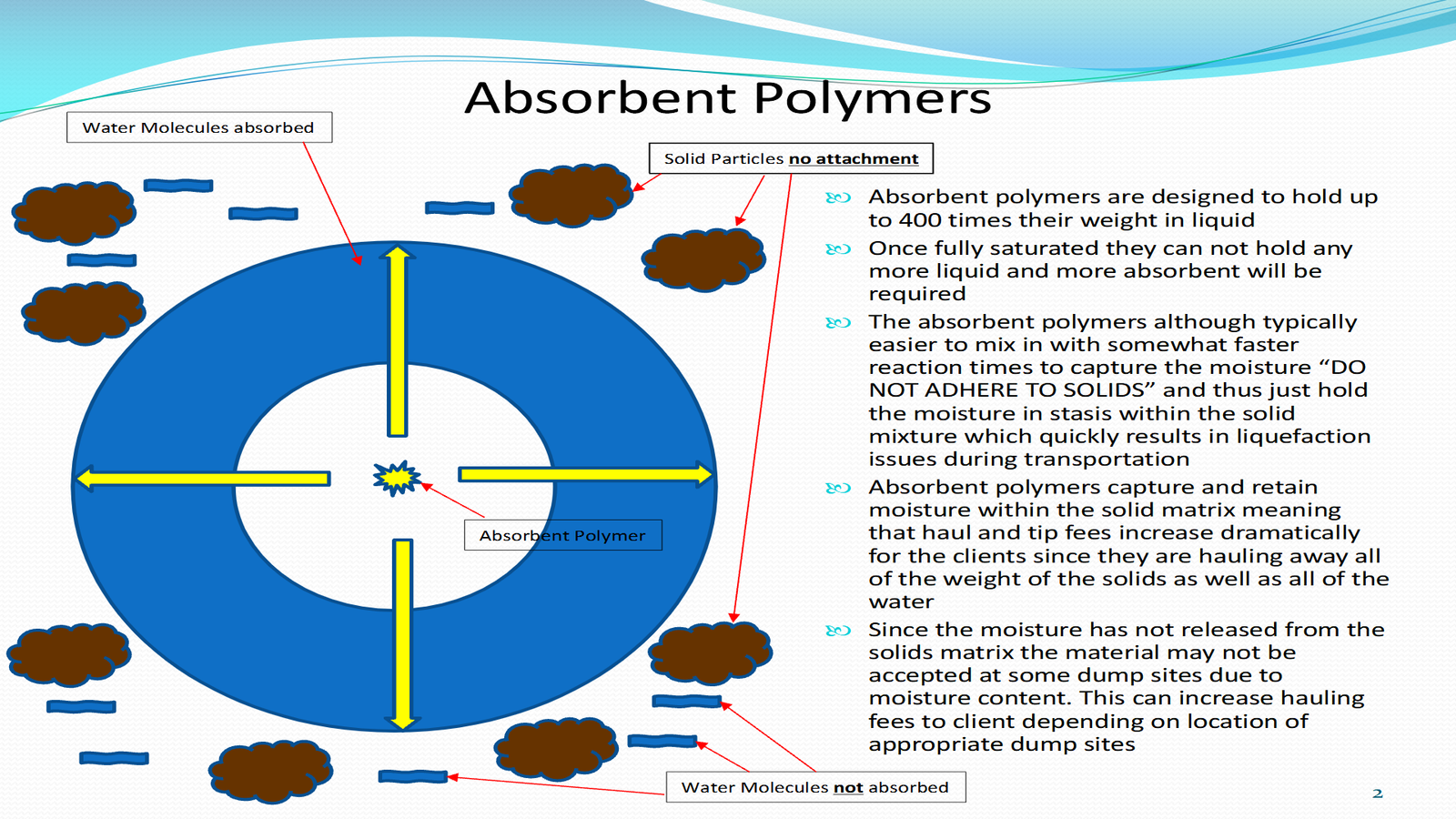
Chemistry walkthrough from the Clearflow sales deck - absorbent retention vs Ultrabind solid binding, uptake comparison, and field liquefaction context.
Absorbent uptake
400×
Liquid retained in matrix
Ultrabind uptake
5×
Excess moisture released
Typical dose
<1 kg
Per m³ of slurry

Field context
Without treatment, slurry stays loose and prone to liquefaction in transit.
Side-by-side handling tests show treated material binding into a stackable mass with water released from the matrix - the opposite of loose, high-moisture slurry in the scoop.
Used on municipal pond slurry - typically under 1 kg per m³
Field demo
Watch Ultrabind hold disturbed soils in place and cut washouts on working slopes.
Patented Technology
Application
Three ways to put Ultrabind to work - broadcast on soil, mix into slurry, or spray for dust control.
Patented Technology
Ultrabind is typically applied by hand in dry form or with manual, electric, quad-, and truck-mounted broadcast spreaders. It can also be mixed with water and applied with agitator-equipped water trucks, hydro-seeding units, and standard pump and spray nozzles.
Once activated with water, Ultrabind binds with the soil, creating a porous layer that allows more water and air to penetrate while reducing erosion. The binding process retains water and holds seed and fertilizer in place.
Patented Technology
Soil solidification used to be costly and time-consuming. Traditional products added volume and weight, increasing truck loads and dumping costs. Ultrabind replaces sawdust, peat moss, straw, and other adsorbents - typically about 1 kg per m³ of slurry is enough to thicken the material.
Once the pond or soil has been sufficiently dewatered, Ultrabind powder can be mixed into the remaining mud to tackify the sediment for easy removal. Bound material has been shown to improve plant and tree growth, so it can be reused for revegetation and remediation instead of hauled as waste.
Patented Technology
Prepare the tank to recirculate. While filling with water, slowly pour Ultrabind Dust in at 1 kg per m³ of water. Recirculate continuously for 20 minutes, then the solution is ready to apply. Soil testing is required to match chemistry.
For road surfaces: (1) use a grader to move off 2 inches of surface material; (2) apply by spray-bar enough solution to the point just before puddling; (3) bring 1 inch of material back onto the road surface; (4) repeat steps 2 and 3; (5) during prolonged dry periods, reactivate with water only. Ultrabind Dust can also be used during road building to add strength to base materials.

Patented Technology
Ultrabind solidified Pond 53 slurry at about 1 kg per m³ so ~300 m³ could be reused on municipal boulevards instead of landfill.
Read morePatented Technology
How Ultrabind binds solids and releases water-unlike absorbents that lock moisture in and drive up haul and tip fees.
Read more